20 August, 2026
Thursday
NEWS
First-Time LGBTQ Visitor's Guide to Bangkok: Where to Stay, Go & What to Expect
First-Time LGBTQ Visitor's Guide to Bangkok: Where to Stay, Go & What to Expect
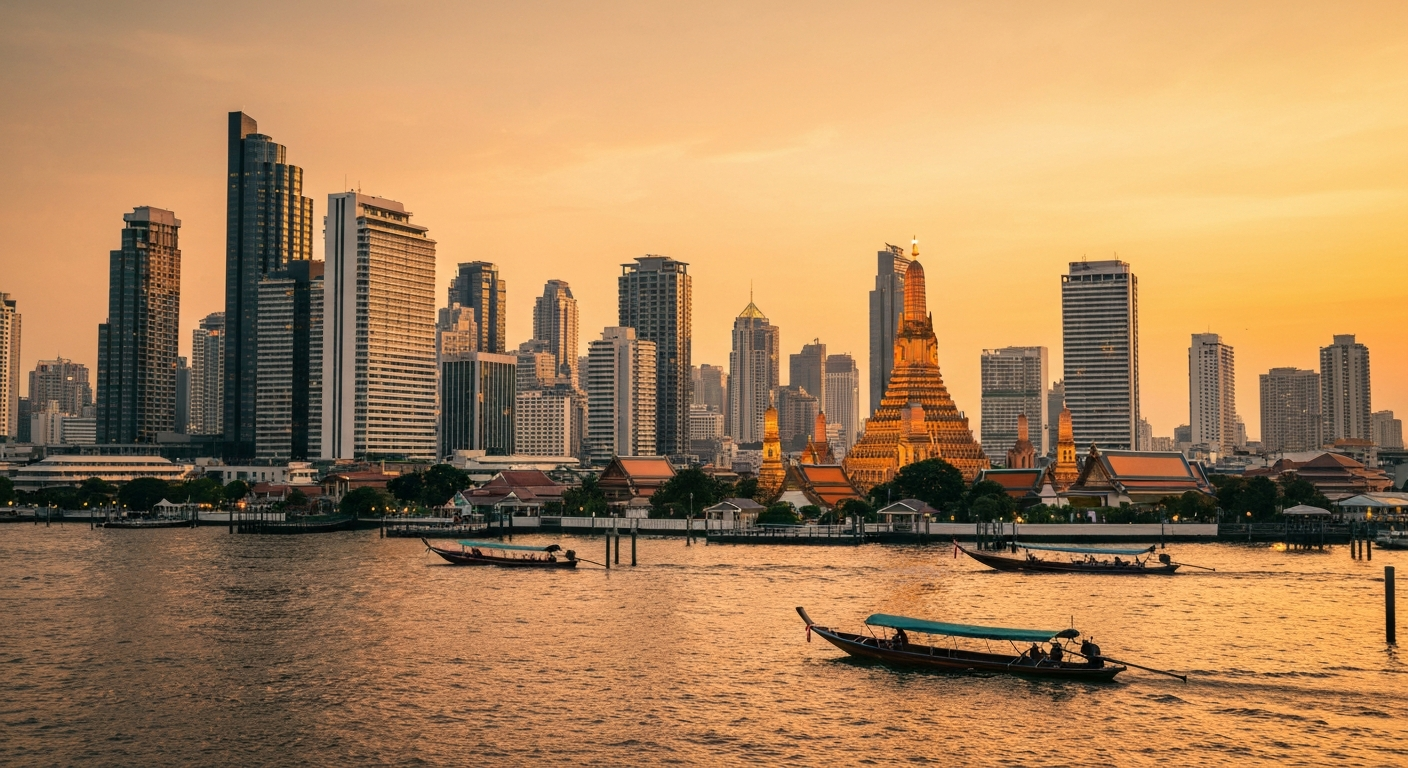
Welcome to Bangkok — a city where golden temples meet rooftop bars, street-food stalls sit next to gleaming malls, and the LGBTQ scene is one of the most vibrant and welcoming in Asia. If this is your first time visiting Thailand's capital, you are in for an incredible experience. This guide covers everything a first-time LGBTQ visitor needs to know: where to stay, how to get around, what to expect from the nightlife, and how to navigate the city with confidence.
Why Bangkok Is One of Asia's Most LGBTQ-Friendly Cities
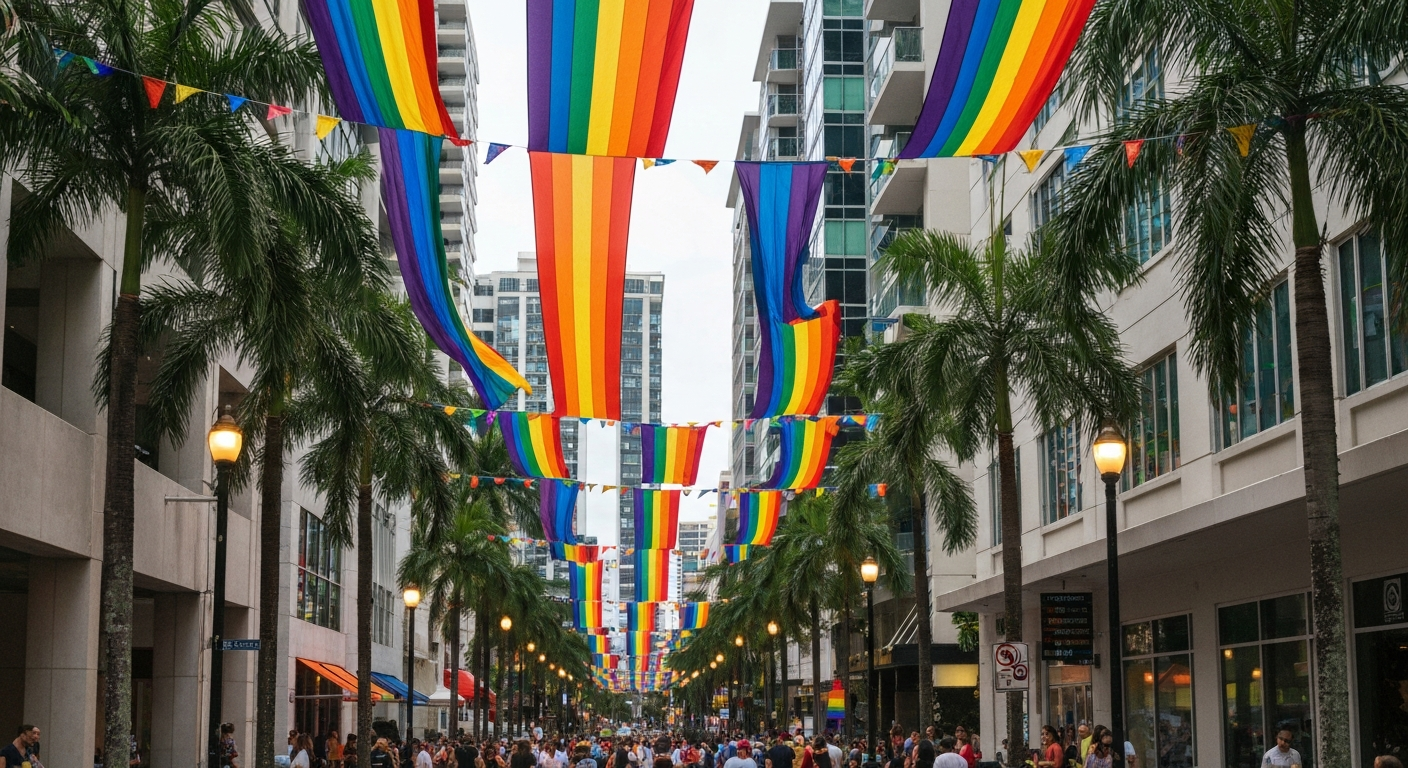
Thailand has long been known for its open and tolerant attitude toward the LGBTQ community. While the country continues to work toward full legal equality — with marriage equality legislation making historic progress in recent years — the social climate in Bangkok is overwhelmingly welcoming. LGBTQ travellers will find a city where same-sex couples can comfortably hold hands in most tourist areas, where gay nightlife is celebrated rather than hidden, and where the local community is visible and proud.
Bangkok's LGBTQ scene is not tucked away in a single corner — it spans the city's best entertainment districts, hotels, cafes, and even wellness spaces. For a first-time visitor, the key is knowing where to start.
Where to Stay: The Best Neighbourhoods for LGBTQ Travellers
Silom — The Heart of Bangkok's LGBTQ Scene
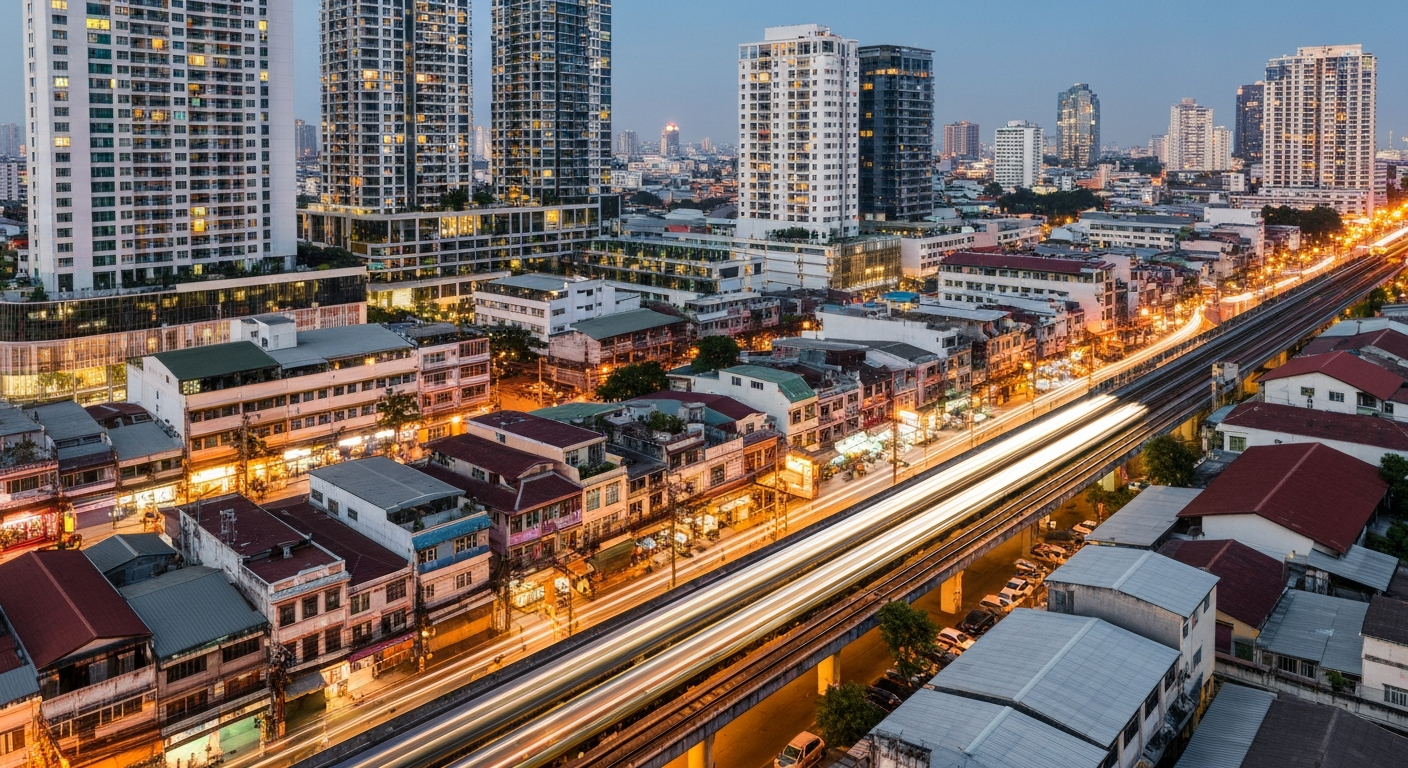
Silom is the undisputed centre of LGBTQ life in Bangkok. By day, it is a bustling business district; by night, it transforms into the city's most famous gay entertainment zone. Silom Soi 2 and Soi 4 are the two main streets where you will find gay bars, clubs, and friendly crowds spilling onto the pavement. Staying in Silom means you are walking distance from the nightlife, the Lumpini Park greenery, and the Chao Phraya River.
Hotels in Silom range from budget guesthouses to five-star properties. The area is well connected via the BTS Skytrain (Sala Daeng station) and the MRT subway (Silom station), making it easy to explore the rest of the city.
Sathorn — Upmarket & Convenient
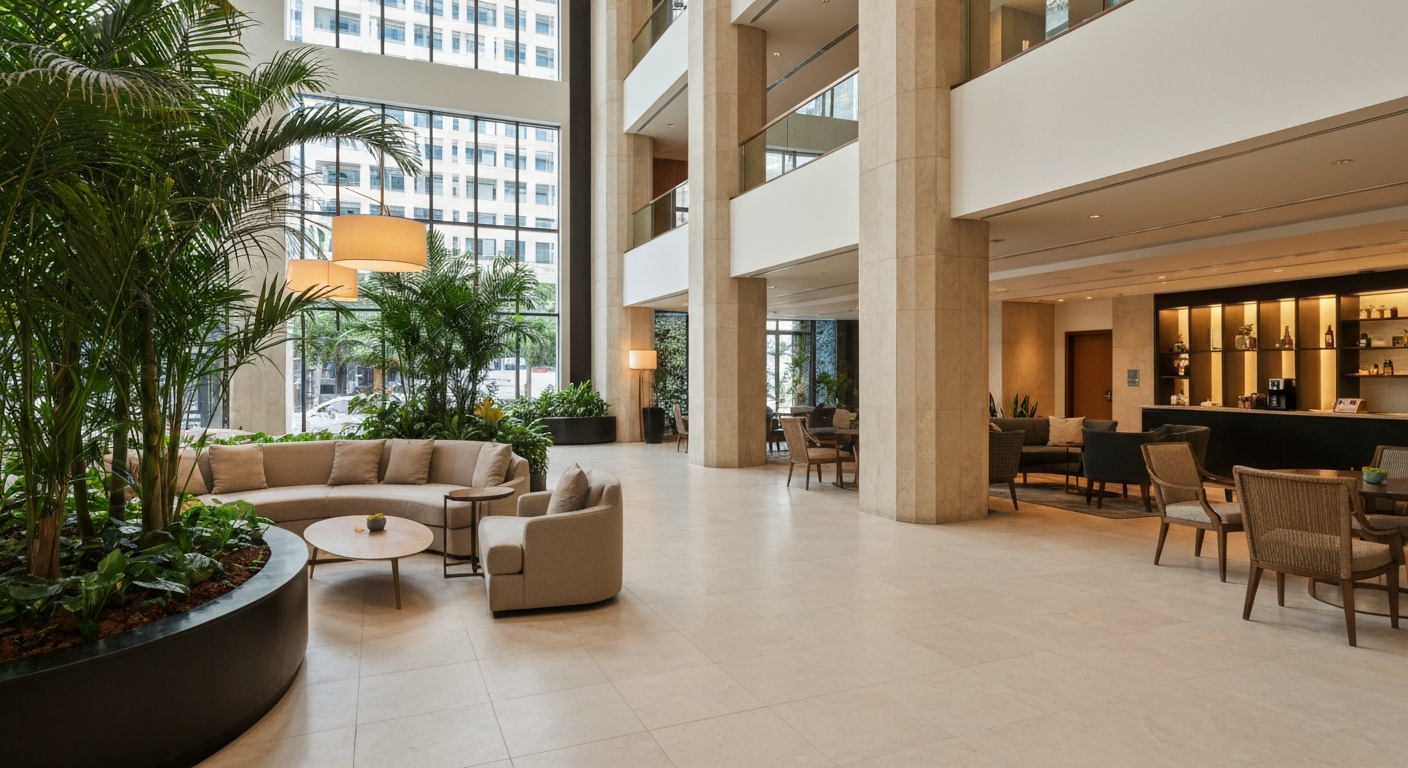
Just south of Silom, Sathorn is a quieter, more upscale neighbourhood popular with expats and professionals. It is home to luxury hotels, excellent restaurants, and the city's best rooftop bars. Sathorn is only one or two BTS stops from Silom, giving you the best of both worlds: a peaceful base with quick access to the action.
Sukhumvit — Cosmopolitan & Diverse
Sukhumvit is Bangkok's longest road and its most cosmopolitan strip. The lower sois (1–31, especially around Nana, Asok, and Phrom Phong) are packed with hotels, shopping malls, international dining, and a mix of nightlife. While the LGBTQ scene is centred in Silom, Sukhumvit has its own pockets of gay-friendly venues — particularly around Soi 11 and Soi 23. The BTS Sukhumvit Line runs the length of the road, so getting to Silom takes about 15–20 minutes.
Getting Around Bangkok: BTS, MRT, and Beyond
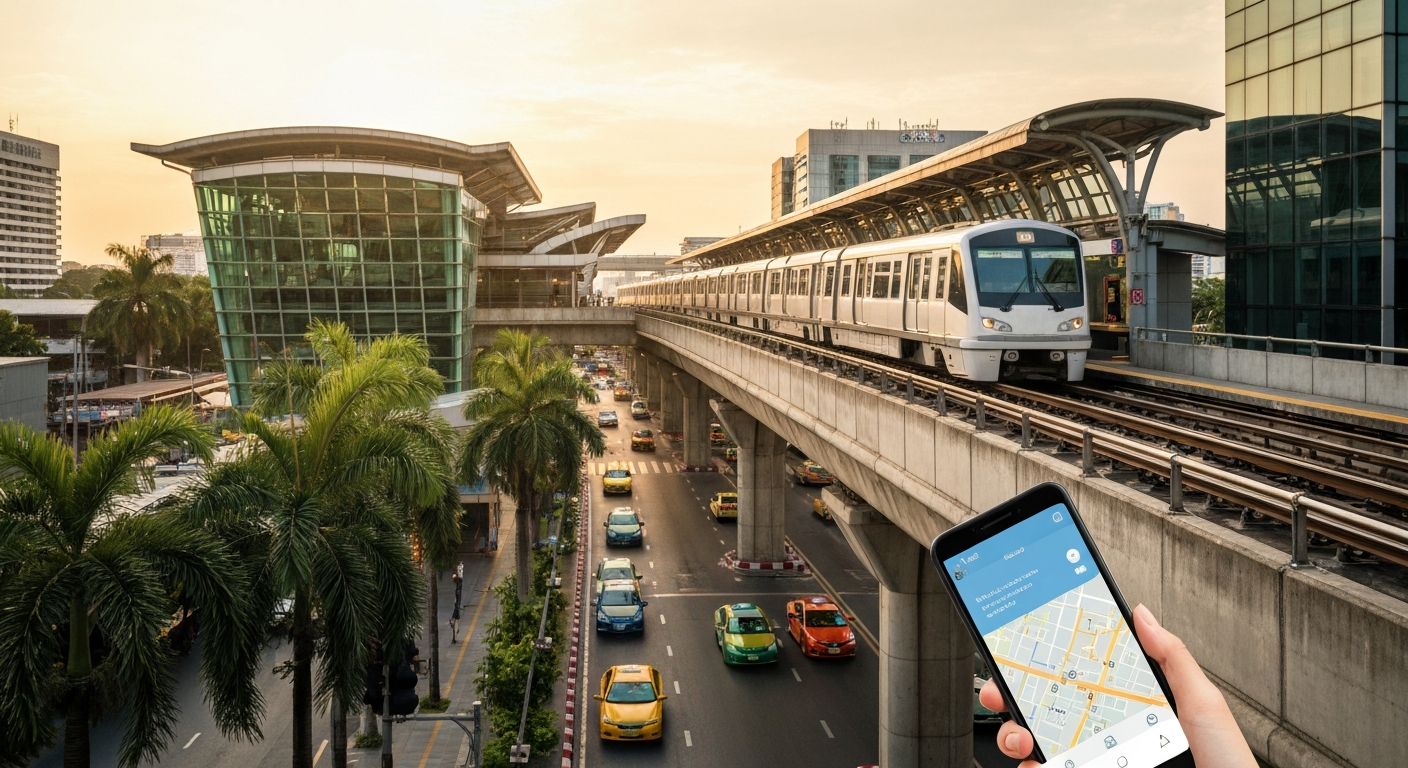
Bangkok's public transport is a lifesaver for new visitors. The two main systems are the BTS Skytrain (elevated) and the MRT subway (underground). They are clean, air-conditioned, and cheap — most rides cost between ฿17 and ฿62. The BTS Silom Line runs through the Silom area (Sala Daeng station), while the Sukhumvit Line covers the other side of the city. The two lines meet at Siam station, which is also the city's main shopping hub.
For shorter trips, tuk-tuks and motorcycle taxis are iconic but agree on a price before hopping on (or use a ride-hailing app for metered fares). Grab — Southeast Asia's equivalent of Uber — works throughout Bangkok and is available in English. At the time of writing, Bolt and LINE MAN are also popular alternatives, though availability may vary.
Pro tip: Bangkok traffic can be intense, especially during rush hours (roughly 07:00–09:00 and 17:00–19:00). When possible, take the BTS or MRT to avoid sitting in a taxi for an hour.
What to Expect from the LGBTQ Nightlife
Bangkok's gay nightlife is legendary — and it is not just for late-night partygoers. The scene typically starts with casual drinks at open-air bars along Silom Soi 4 from early evening, where the atmosphere is relaxed and social. As the night progresses, the crowd moves toward Soi 2 and the surrounding sois, where clubs and show bars come alive.
Expect a friendly, international crowd. Bangkok's gay venues attract a mix of locals, expats, and tourists from around the world. Most bars and clubs have no cover charge or a modest one (usually including a drink). Drag shows, cabaret performances, and DJ sets are common. The vibe is generally more laid-back and less pretentious than what you might find in Western gay scenes.
For those seeking a more alternative or artsy LGBTQ experience, Bangkok also has a growing scene of queer-friendly cafes, art spaces, and community events — especially around the Charoen Krung creative district and parts of Ari.
Safety, Cultural Tips & Practical Advice
Is Bangkok Safe for LGBTQ Travellers?
Yes — overwhelmingly so. Violent crime targeting LGBTQ visitors is extremely rare. The most common risks are the same ones facing all tourists: pickpocketing in crowded areas, taxi scams, and overcharging at tourist-heavy spots. Use common sense, keep an eye on your drink, and you will have a safe trip.
Respect Local Customs
While Bangkok is cosmopolitan, Thailand is still a culturally conservative country in some respects. Public displays of affection are generally fine in tourist and nightlife areas, but more reserved behaviour is appreciated in temples, government buildings, and rural settings. When visiting a temple (wat), cover your shoulders and knees, remove your shoes, and keep your voice low — this applies to everyone regardless of orientation.
Language & Communication
English is widely spoken in tourist areas, hotels, and LGBTQ venues. That said, learning a few Thai phrases goes a long way. "Sawasdee kha/khrap" (hello) and "khob khun kha/khrap" (thank you) — with the polite particle matching your gender presentation — will earn smiles everywhere you go.
Weather & When to Visit
Bangkok has three seasons: hot (March–June), rainy (July–October), and cool (November–February). The cool season — when temperatures drop to a pleasant 25–30°C — is the most popular time to visit and coincides with several major events. If you are visiting during the rainy season, expect brief but heavy downpours, usually in the late afternoon. Pack a light rain jacket or an umbrella and you will be fine — the rain rarely disrupts a full day.
Pride Month in June is an especially exciting time to visit, with events, parties, and community gatherings across the city. The Bangkok Pride parade has grown significantly in recent years, drawing thousands of participants and spectators to the streets of Silom and beyond.
Practical Visitor Tips
- Get a Rabbit Card: This rechargeable smart card works on the BTS Skytrain and saves you queuing for tickets every ride. Available at any BTS station.
- Stay connected: Buy a local SIM card at the airport on arrival (AIS, TrueMove, and dtac all have tourist packages with generous data). Free Wi-Fi is common but a local SIM is essential for ride-hailing apps and maps.
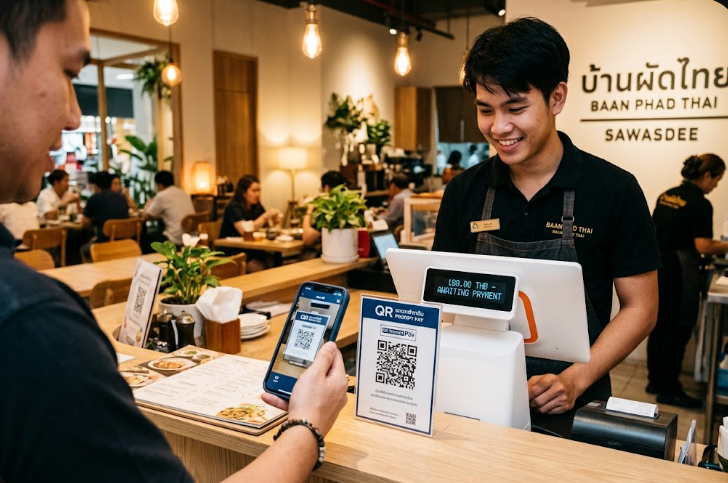
- Carry cash: While malls and hotels accept cards, many street-food stalls, small bars, and local shops are cash-only. ATMs are everywhere but charge a ฿220 fee per withdrawal for foreign cards.
- Dress for the climate: Light, breathable fabrics are your friend. But bring one long-sleeved layer — malls and the BTS can be aggressively air-conditioned.
- Use reputable apps: Grab for transport, Wongnai or GrabFood for food delivery, and Google Maps for navigation (it works well in Bangkok).
Explore More on PrideThailand.com
Your first trip to Bangkok is just the beginning. Once you have settled into the rhythm of the city, you might want to explore beyond the capital. Check out these related guides on PrideThailand.com:
- Bangkok Pride Month 2026 — The Complete Visitor Guide: Everything you need to know about celebrating Pride in the heart of Thailand's capital, from parade routes to the best parties.
- Silom Nightlife Guide: A deeper dive into the bars, clubs, and after-hours spots that make Bangkok's gay scene one of the best in the world.
- Thailand's Best LGBTQ-Friendly Islands: Once you have done Bangkok, head south to discover Phuket, Koh Samui, and the stunning Andaman coast.
Plan your entire Thailand trip with PrideThailand.com — your trusted local guide for LGBTQ travellers exploring the Land of Smiles. From Bangkok's buzzing streets to the quietest island beaches, we will help you make every moment memorable.
Recent News