30 August, 2026
Sunday
NEWS
Why Silom Is Bangkok's Main LGBTQ Travel Area
A Tale of Two Siloms: Business by Day, Pride by Night
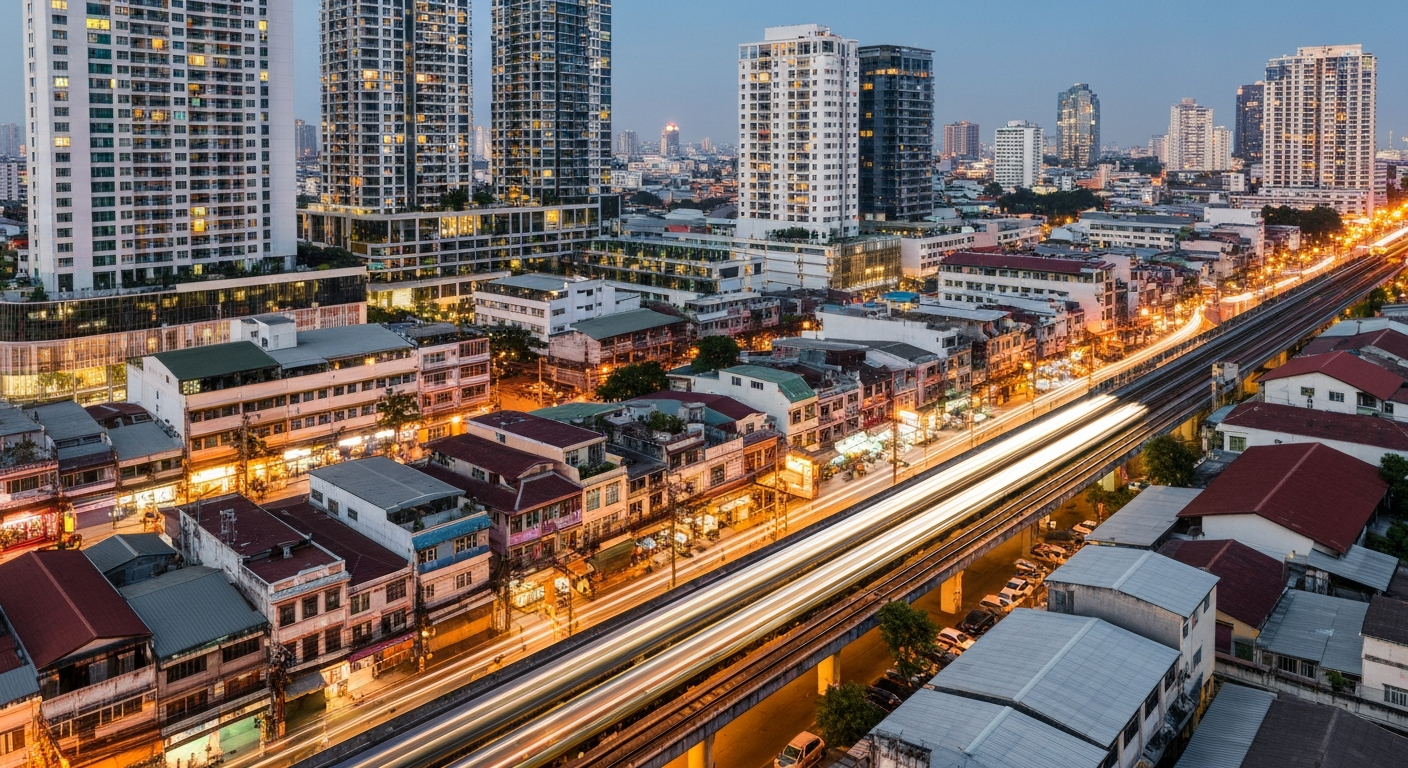
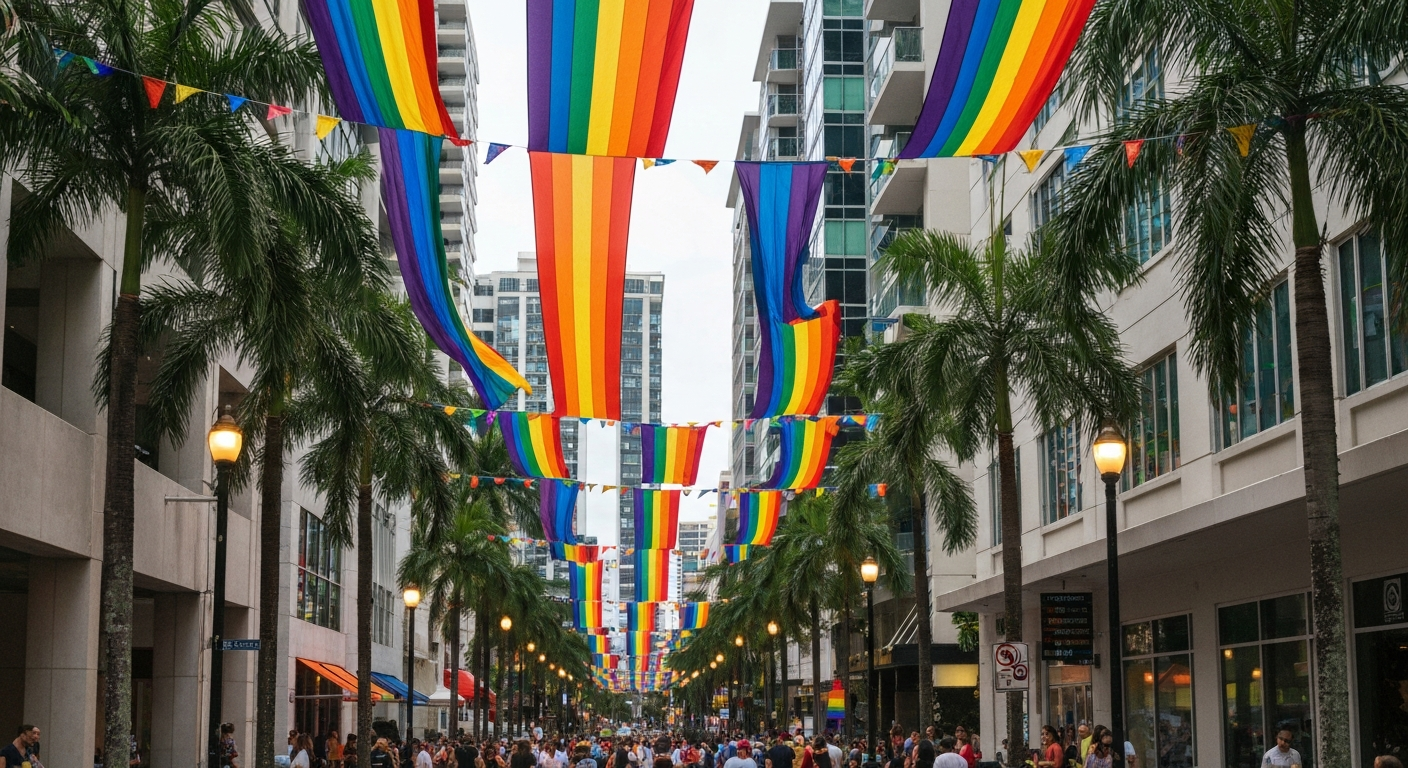
By day, Silom Road is Bangkok's financial district — a canyon of glass skyscrapers, bank headquarters, and busy professionals rushing between meetings. But as the sun sets and the BTS Skytrain delivers the after-work crowd, the neighbourhood transforms into something entirely different. Neon signs flicker on along the side sois, outdoor tables fill with an international crowd, and the air fills with music, laughter, and the unmistakable energy of one of Southeast Asia's most welcoming LGBTQ districts.
For anyone planning a trip to Thailand, understanding why Silom matters is essential. It's not just where the bars are — it's where the community gathers, where visitors connect, and where the city's decades-long reputation for LGBTQ hospitality is most visible.
The Heart of the Scene: Silom Soi 4
Walk down Silom Road and turn into Soi 4, and you'll immediately feel the shift. This narrow street, lined with bars, restaurants, and open-air seating, has been the centre of Bangkok's gay nightlife for decades. The most storied venue here is the Telephone Pub, which has been welcoming patrons since the 1980s. With its casual vibe, karaoke nights, and long-standing presence, it's something of an institution — the kind of place where first-time visitors and regulars mingle easily.
Soi 4 is known for its inclusive, laid-back atmosphere. Unlike some nightlife areas that can feel intimidating on a first visit, the bars here spill onto the street with outdoor seating, making it easy to people-watch, strike up a conversation, or simply soak in the energy. It's a great starting point for a night out, especially if you're travelling solo or visiting Bangkok for the first time.
Silom Soi 2: Clubs, Drag, and Late-Night Energy
Just a short walk away, Silom Soi 2 offers a different kind of experience. This is where the night goes later and the volume goes up. The undisputed anchor here is DJ Station — a three-story club that has become one of Thailand's most iconic gay venues. Known for its drag shows, packed dance floor, and lively atmosphere, DJ Station draws a mixed crowd of locals and international visitors. At the time of writing, entry fees are approximately 150 THB on weekdays and 300 THB on weekends, though visitors should check current pricing before heading out.
Around the back of Soi 2, you'll find G Bangkok (often referred to as GOD), another long-running club that keeps the party going into the early hours. Between DJ Station and the surrounding bars, Soi 2 is the natural next stop after a relaxed start on Soi 4.
Getting There: Sala Daeng BTS and Silom MRT
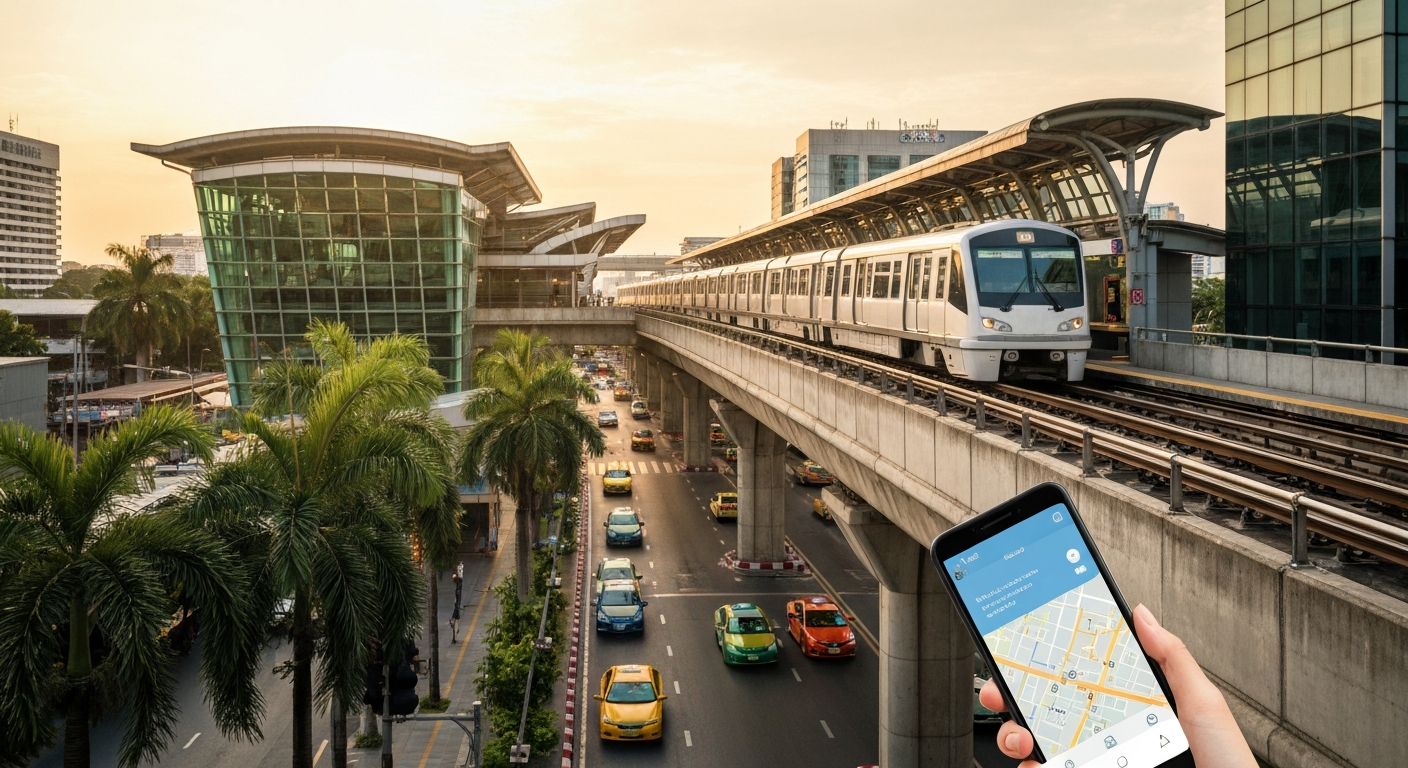
One of the biggest reasons Silom works so well as a travel hub is its transport connections. Sala Daeng BTS Station sits right on Silom Road, placing the entire LGBTQ nightlife zone within a few minutes' walk. Literally step off the Skytrain, cross the footbridge, and you're at the top of Soi 4. The Silom MRT Station (subway) is also nearby, giving visitors easy access from other parts of Bangkok, including Sukhumvit, Siam, and the riverside.
This accessibility is a major advantage for tourists. You can stay anywhere along the BTS Silom Line or MRT Blue Line and reach the heart of the gay district in under 30 minutes — no taxi negotiations needed, no confusing directions. After a late night, the BTS runs until around midnight, and Grab ride-hailing is readily available for the trip back to your hotel.
Where to Stay Near the Action
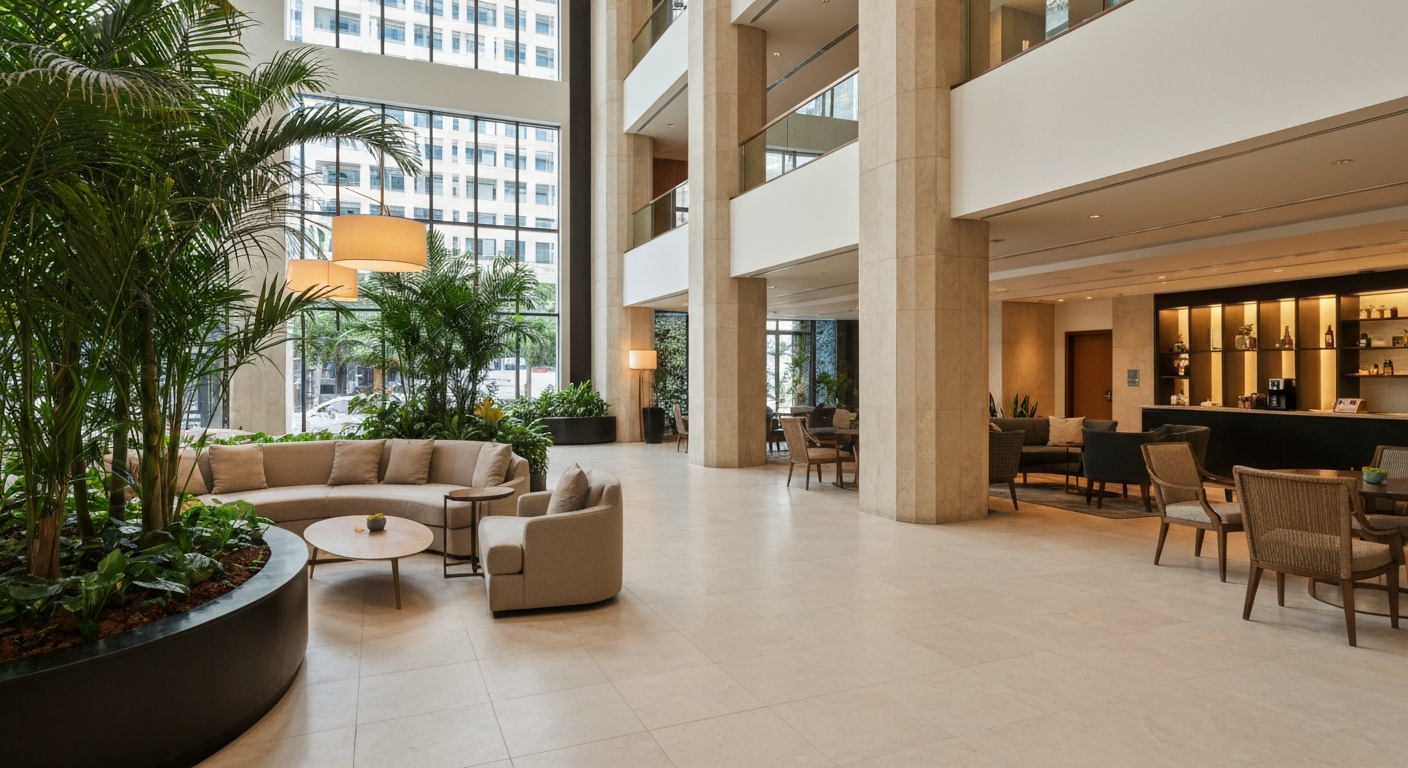
Silom's role as both a business district and a nightlife hub means accommodation covers every budget. At the higher end, the Crowne Plaza Bangkok Lumpini Park sits directly next to Sala Daeng BTS Station, with panoramic skyline views and a pool terrace that's perfect for recovering from a late night. Nearby, Le Méridien Bangkok and SO/Bangkok offer luxury with walking-distance convenience to the sois. For mid-range visitors, the Ibis Styles Bangkok Silom on Silom Road puts you minutes from both Soi 2 and Soi 4 at an affordable price point.
Staying in Silom means you're not just close to the nightlife — you're also near Lumpini Park for morning walks, the Chao Phraya River for sightseeing, and excellent street food markets that come alive during the day. It's the kind of neighbourhood where you can have a completely different experience depending on the time of day.
More Than Bars: Food, Culture, and Community
Visitors who only see Silom at night are missing half the story. During the day, the area offers some of Bangkok's best street food — from the legendary stalls along Convent Road to the daytime vendors near the Hindu temple at the top of Silom Road. Nearby Lumpini Park provides a green escape for jogging, paddle boating, or just watching the monitor lizards sunbathe (yes, really).
The neighbourhood is also home to a diverse cross-section of Bangkok life: Hindu and Buddhist temples, international restaurants, local markets, and a growing number of LGBTQ-owned or LGBTQ-friendly businesses that operate well beyond bar hours. This mix is part of what makes Silom feel like a genuine community rather than just a nightlife zone.
Beyond Silom: What Else Is Nearby
Silom's central location makes it a great base for exploring the rest of Bangkok. The BTS Silom Line takes you north to Siam in two stops — Bangkok's premier shopping district with malls like Siam Paragon, CentralWorld, and MBK Center. In the other direction, the line crosses the river to Saphan Taksin, where you can catch a river boat to the Grand Palace, Wat Pho, and Wat Arun.
For LGBTQ travellers looking to explore beyond Silom, the Sukhumvit area — particularly around Soi 22 — has its own growing scene of gay-friendly bars, plus endless dining and shopping options. But for most visitors, Silom remains the natural starting point and the place they'll return to night after night.
Safety and Practical Notes
Bangkok is generally very safe for LGBTQ travellers, and Silom in particular is accustomed to a diverse international crowd at all hours. The streets around Soi 2 and Soi 4 are well-lit and busy well past midnight. As with any nightlife area anywhere in the world, keep an eye on your drink, use licensed taxis or Grab for late-night transport, and be cautious with valuables in crowded spaces.
Thailand's culture of tolerance and its reputation as a welcoming destination for LGBTQ visitors is well-earned. In Silom, that warmth is on display every night — in the bars, on the streets, and in the easy coexistence of locals, expats, and tourists from every corner of the world.
Recent News