01 September, 2026
Tuesday
NEWS
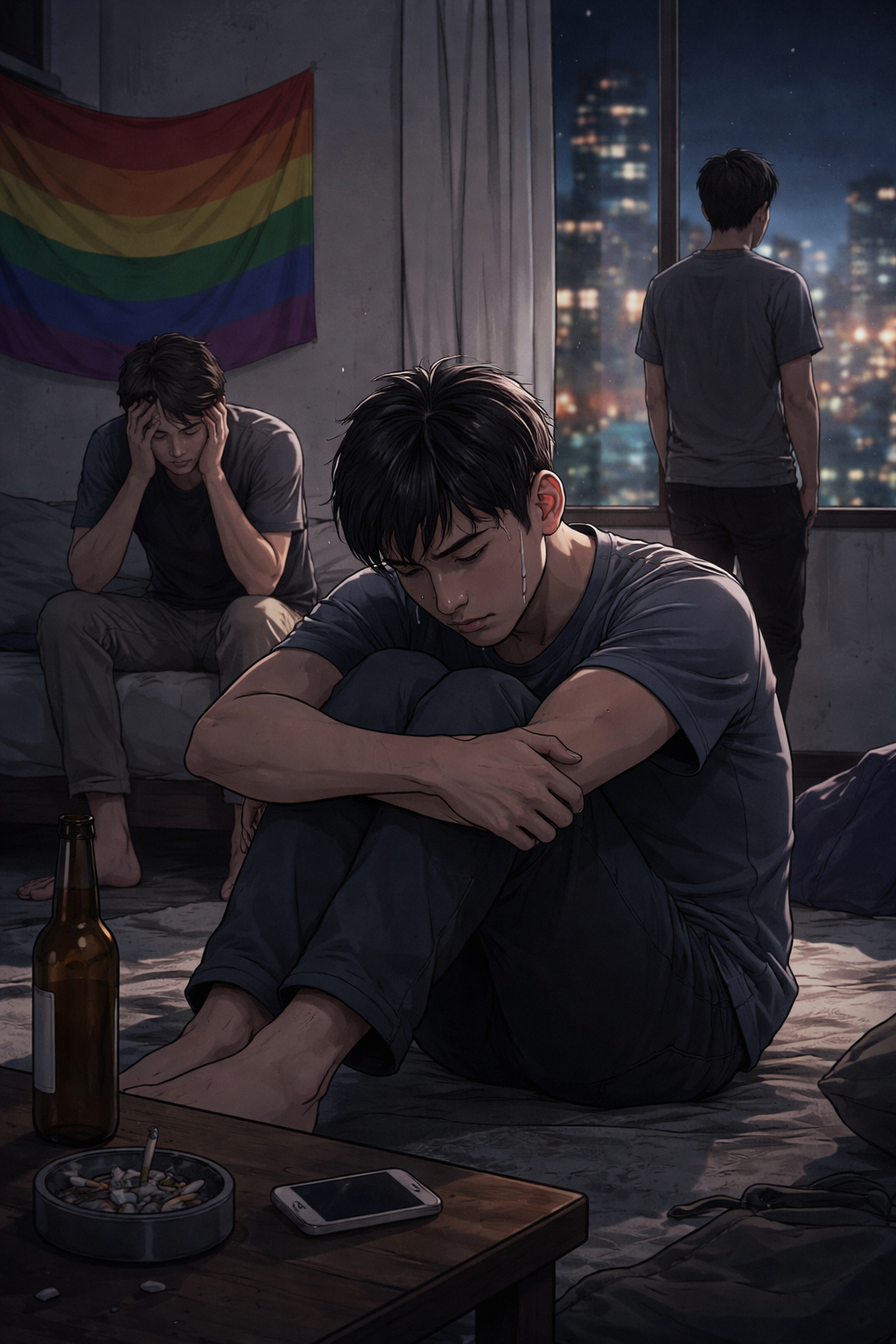
The Silent Mental Health Crisis in Asia’s LGBTQ+ Communities
Across Asia, a quiet but deeply concerning mental health crisis is unfolding. Nowhere is this more visible—or more invisible—than within LGBTQ+ communities in countries such as Thailand and Cambodia. While economic pressure, family obligation, and rapid social change are affecting society as a whole, gay, lesbian, bisexual, and transgender individuals are bearing a disproportionate emotional and psychological burden.
Rising Stress, Hidden Statistics
By most professional assessments, rates of anxiety, depression, substance misuse, and emotional burnout across Asia are likely at historic highs. However, official statistics significantly underrepresent the true scale of the problem. Mental health conditions remain widely underreported due to stigma, fear of social consequences, and a lack of accessible or trusted mental health services.
In many Asian societies, mental illness is still framed as a personal weakness or moral failure rather than a health condition. As a result, people suffer silently—often without diagnosis, treatment, or even the language to describe what they are experiencing.
Cultural Silence and Family Pressure
Family obligation plays a central role in Asian culture, particularly in Thailand and Cambodia. Financial dependency, expectations to support parents or siblings, and pressure to conform to traditional life paths—marriage, children, and social respectability—create immense stress. For LGBTQ+ individuals, this pressure is compounded by the need to hide their identity or negotiate conditional acceptance.
Coming out is rarely a single event; it is an ongoing process of negotiation, compromise, and emotional restraint. Many LGBTQ+ people live dual lives—one for family and one for personal survival—leading to chronic stress, emotional exhaustion, and feelings of isolation.
The Gap in LGBTQ+ Support Systems
While LGBTQ+ visibility has increased in parts of Asia, emotional support infrastructure has not kept pace. Gay culture in many urban centers emphasizes nightlife, appearance, and social performance, but often lacks deeper support systems for mental health, aging, grief, or long-term emotional wellbeing.
For lesbians, transgender individuals, and those outside mainstream gay social spaces, the isolation can be even more pronounced. Access to LGBTQ+-affirming therapists, counselors, or community services remains limited, expensive, or nonexistent—particularly outside major cities.
Why This Crisis Remains Unspoken
Mental health is still not widely discussed in Asian culture, and within LGBTQ+ communities it is often further minimized. Admitting emotional struggle can be perceived as weakness, instability, or social risk. As a result, many people self-medicate through alcohol, drugs, risky behavior, or overwork rather than seeking help.
This culture of silence creates a dangerous feedback loop: lack of discussion leads to lack of understanding, which leads to lack of services, reinforcing the belief that help is unavailable or unacceptable.
A Crisis That Demands Visibility
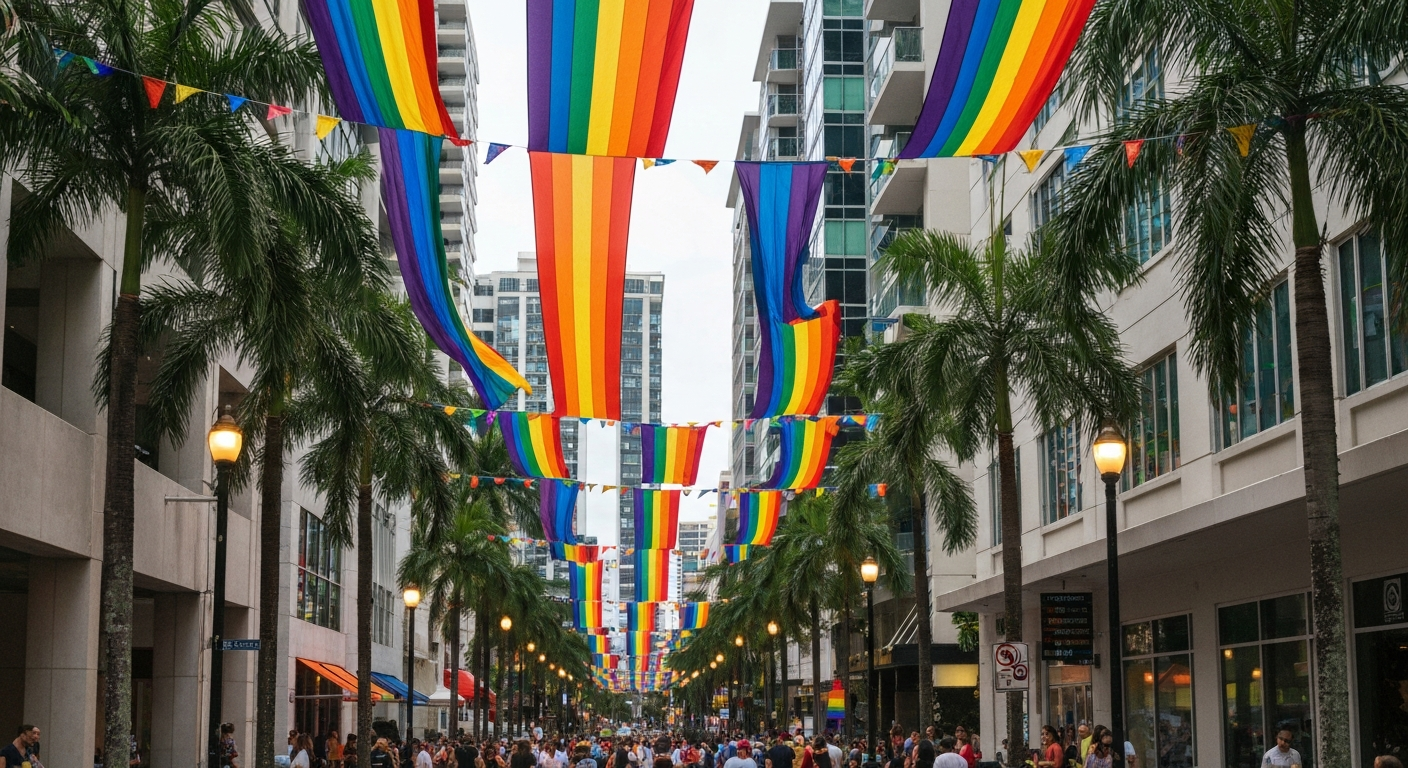
The mental health challenges facing Asia’s LGBTQ+ communities are not isolated issues—they are structural, cultural, and deeply systemic. Addressing them requires more than pride events or surface-level inclusion. It requires open conversations, culturally sensitive mental health education, affordable access to care, and community spaces where vulnerability is not punished.
Until mental health is treated as a legitimate and urgent issue—both within Asian societies and within LGBTQ+ culture itself—this crisis will continue to grow in silence.
The problem is not that people are struggling.
The problem is that they are struggling alone.
Recent News