01 September, 2026
Tuesday
NEWS
Why Aren’t Gay People Getting Married?
The Expectation Gap No One Talked About
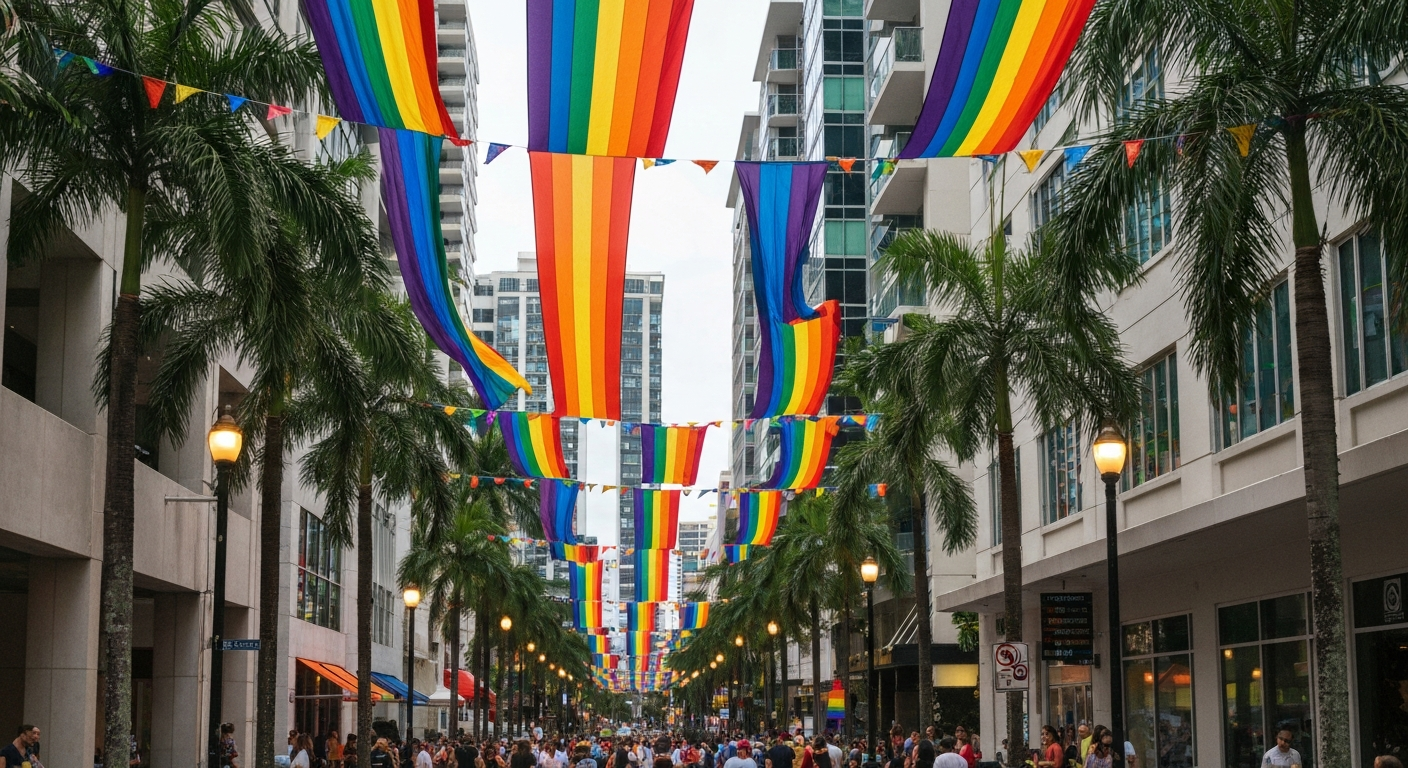
When marriage equality became law, many politicians, businesses, and commentators made the same prediction: once gay people were finally allowed to marry, they would do so in huge numbers. The wedding industry prepared for a boom. Tourism boards talked about “rainbow economies.” Social media was filled with images of mass ceremonies and rainbow flags.
Nearly a decade later in Australia—and now more than a year into marriage equality in Thailand—that prediction has not come true.
Yes, some couples rushed to the registry offices on day one. But after the headlines faded, marriage rates among gay couples settled well below what was expected. This is not a rejection of equality. It is something more interesting—and more confronting.
It reveals a deep expectation gap between how society imagined gay relationships would behave, and how they actually do.
The Big Assumption That Got It Wrong
The dominant assumption was simple:
Gay couples are just like straight couples—once you remove the legal barrier, marriage rates will look the same.
This idea shaped economic forecasts, political messaging, and even activism itself. Marriage was framed as the natural end point of a successful relationship.
But that assumption ignored a crucial fact:
gay relationships developed outside the institution of marriage for generations.
They evolved different norms around commitment, intimacy, family, and independence. When marriage finally arrived, many couples looked at it and quietly asked:
“Why do we need this?”
Legal Equality Doesn’t Always Create Motivation
In countries like Australia, marriage brought symbolic equality—but very little new legal benefit.
Long before same-sex marriage was legal, de facto relationship laws already provided:
-
Hospital and next-of-kin rights
-
Property and inheritance protections
-
Superannuation and financial recognition
-
Recognition as a household unit
For many couples already living together, marriage changed almost nothing except their paperwork—and their expenses.
When the choice becomes symbolic rather than necessary, people hesitate. Especially during a cost-of-living crisis where weddings can cost tens of thousands of dollars.
The Quiet Reality: Many Gay Couples Don’t Structure Love the Same Way
This is the part rarely discussed in public debates.
1. Monogamy Isn’t Always Central
A significant number of gay male couples practice ethical non-monogamy—open or “monogamish” relationships built on emotional commitment rather than sexual exclusivity.
Marriage, however, is still culturally coded around sexual closure and lifelong exclusivity. For couples who have consciously built something different, marriage can feel like forcing a square relationship into a round institution.
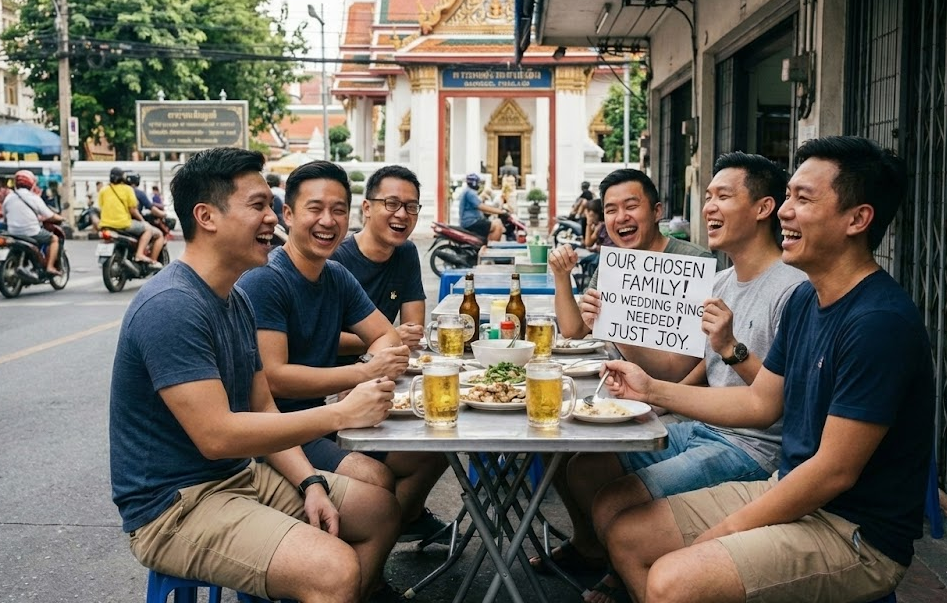
2. Chosen Family Still Matters
For decades, LGBTQ+ people relied on chosen families—friends, community networks, ex-partners, mentors—especially when biological families were unsafe or rejecting.
Marriage prioritizes the couple above all else. For some, that feels isolating rather than affirming.
3. Marriage Was Once a Weapon
In Australia, the public vote on marriage equality turned private relationships into a national argument. Many people carry lasting emotional scars from being publicly debated, judged, and reduced to slogans.
For some couples, marrying now feels less like a celebration—and more like returning to an institution that once asked society’s permission to validate their love.
Thailand Shows a Different, But Related Pattern
Thailand’s marriage equality law was celebrated worldwide, but uptake has been slower than the marketing promised.
Why?
-
Informal unions already exist: Many couples live together and are socially recognised without legal registration.
-
Cultural priorities differ: Community recognition often matters more than paperwork.
-
Transgender exclusion still exists: Without legal gender recognition, many trans people refuse to marry under documents that misidentify them.
-
Economic reality matters: Legal rights don’t erase wage inequality or social discrimination.
The result is the same pattern seen elsewhere: enthusiasm at the symbolic level, restraint at the personal one.
This Is Not a Failure of Marriage Equality
It is a misunderstanding of what equality actually means.
Marriage equality was never supposed to force people into marriage.
It was supposed to remove punishment for those who wanted it.
What we are seeing now is not rejection—but choice.
Gay people are doing what straight people have always done:
-
Delaying marriage
-
Avoiding marriage
-
Choosing cohabitation instead
-
Redefining commitment on their own terms
The difference is that gay people are doing it without pretending marriage is the only legitimate outcome.
The Real Question We Should Be Asking
The question is no longer:
“Why aren’t gay people getting married?”
The real question is:
Why did we expect them to behave exactly like heterosexual couples once they were finally free to choose?
Marriage equality didn’t fail.
It worked so well that people now feel safe enough to decide for themselves.
And that, quietly, may be its greatest success.
Recent News